
For candidates
CV advice that works
Your CV has one job: to show an employer, quickly, why you're right for the role. Here's how to make it clear and relevant.
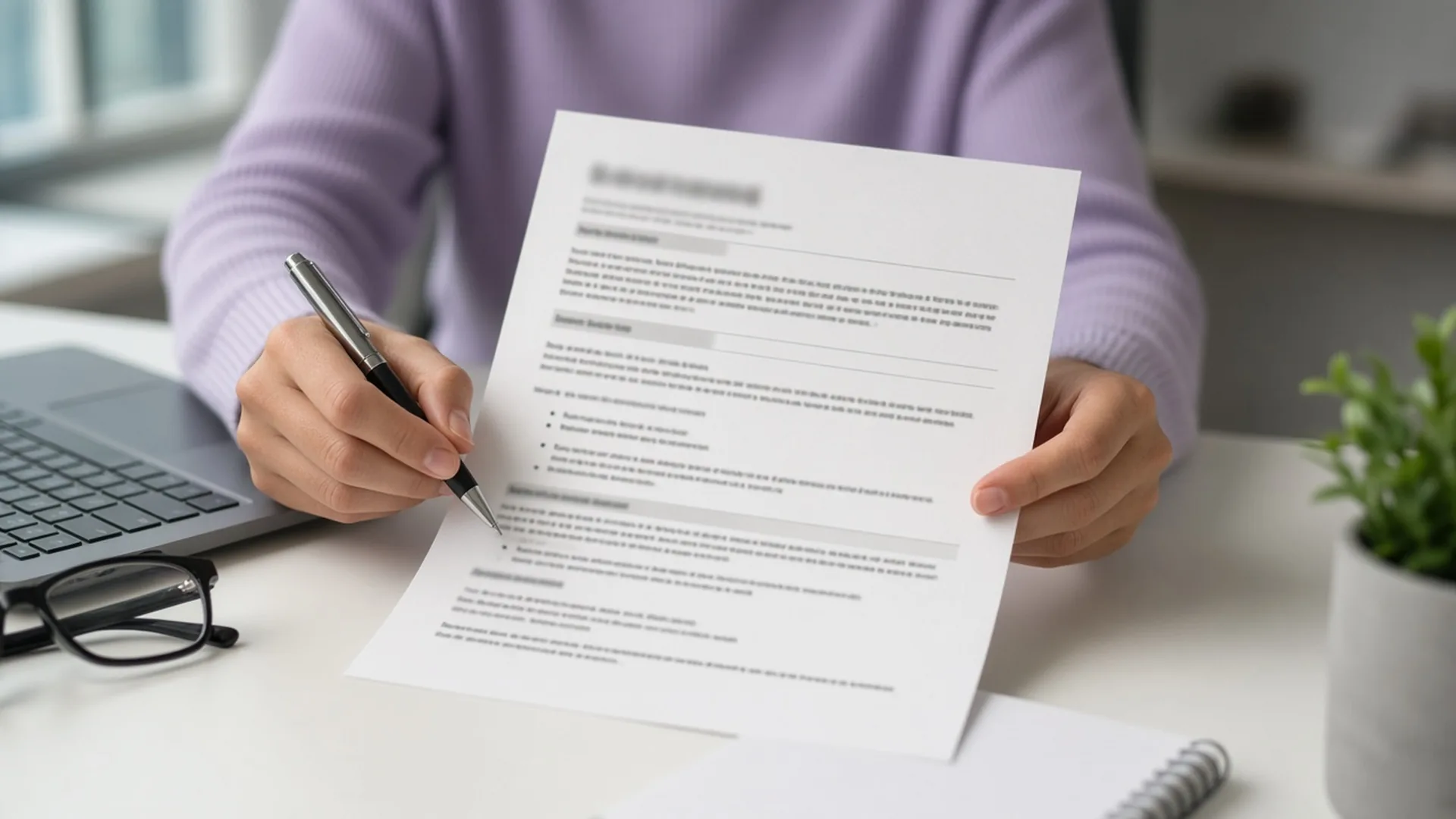
Keep the layout simple
- Use a clean, readable font and plenty of white space.
- Aim for two pages. One page is fine if you're early in your career.
- Use clear headings: Profile, Experience, Education, Skills.
- Save it as a PDF or Word file with a sensible name, for example "Jane-Smith-CV.pdf".
What to include
- Contact details: Your name, phone number, email and town. You don't need your full address, date of birth or a photo.
- Personal profile: Three or four lines about who you are and the kind of role you want.
- Work history: Most recent first, with job title, employer, dates and a few bullet points for each.
- Education and training: Qualifications and any relevant courses or certificates.
- Skills: Software, languages and other skills that match the job.
Tailor your CV to each role
Read the job advert carefully and note the skills it asks for. Move your most relevant experience to the top, and use the same words the employer uses where they're true for you. A focused CV is far more useful than a long one.
Show results, not just duties
Instead of listing tasks, explain what changed because of your work. For example, "Introduced a new filing system that made month-end reporting easier" says more than "Responsible for filing". Only use figures you can back up.
Final checks
- Check spelling and grammar, and ask someone else to read it.
- Explain any long gaps in a line, for example caring, study or travel.
- Make sure your email address looks professional.
- Keep your account CV up to date.